I’ve been in this game for eleven years. I’ve seen the market swing from the desperate post-recession recovery to the frenzy of the last few years, and now, to the measured, calculated pace of today’s buyers. If there is one thing that when is the best time to sell drives me up the wall, it’s the "fluffy" listing description that talks about "spacious living" while the photos show a dark, cramped hallway. Pro-tip: If your first listing photo is a dark hallway, I’ve already swiped past your property before I even read the word "cozy."
We live in a digital-first world. Your listing isn't competing with the house down the street; it’s competing with the last ten properties a buyer saw on their Instagram or Facebook feed. In that environment, the "minor updates big impact" mantra isn't just a suggestion—it’s the difference between a bidding war and sitting on the market for 60 days.
Why the "Scroll" is Your New Front Door
Before a potential buyer ever sets foot in your foyer, they’ve already mentally walked through your house on their phone. When browsing, buyers are making split-second comparisons. They aren't looking at your square footage—they’re looking for a "lifestyle snapshot."
If your listing photos feel cluttered, dark, or generic, the buyer assumes the maintenance of the home has been neglected. Conversely, fresh paint before selling and updated lighting fixtures serve as psychological cues. They tell the buyer: "This house is cared for. This house is ready for my lifestyle." When you update these small details, you aren't just changing the look; you’re changing the perceived value of the home.
Lifestyle Flexibility Over Square Footage
Stop talking about your square footage. Seriously. Unless you’re selling a warehouse, buyers are far more interested in how the space *functions*. In urban markets, especially when looking at lofts or mid-century condos, we are seeing a massive shift toward lifestyle flexibility.
The modern buyer is constantly asking, "Where would the laptop go?" If you have a massive living room but nowhere to plug in a laptop without sitting on the floor or the kitchen island, you’ve lost. Today’s floor plan must accommodate hybrid work. Even in a compact loft, designating a "work-from-home nook" with a sleek light fixture and a fresh coat of paint creates an immediate mental connection for the buyer.
The "Laptop Test" in Action
When I tour a property, I physically look for the "laptop spot." Is there an outlet nearby? Is the lighting focused enough for a video call? If you can stage a small corner with a minimalist desk and a plant, you’ve solved a problem the buyer didn't even know they had. That is how you win.
The ROI of Minor Updates: A Breakdown
I keep a running list of "high-impact, low-cost" fixes that I recommend to all my clients. These aren't full renovations, but they photograph infinitely better than they cost to implement.
Fix Why it Works Impact on Photos Fresh Paint (Neutral/Warm White) Neutralizes the space, allows buyer to envision themselves. Makes rooms look brighter, larger, and cleaner. Updated Lighting Fixtures Removes the "builder-grade" or "dated" stigma immediately. Provides depth, focal points, and warm tones. Decluttering Surfaces Reduces visual noise; highlights architecture. Allows the room’s "vibe" to take center stage. Hardware Swaps Modernizes cabinets and doors for pennies on the dollar. Creates a cohesive, design-forward look.Loft Appeal: Open Layouts and Natural Light
Lofts are a special beast. People don't buy lofts because they need a specific number of bedrooms; they buy them for the character—the exposed brick, the polished concrete, the sheer volume of light. When marketing a loft, generic advice simply doesn't apply. You need to lean into the industrial aesthetic while softening it with modern touches.
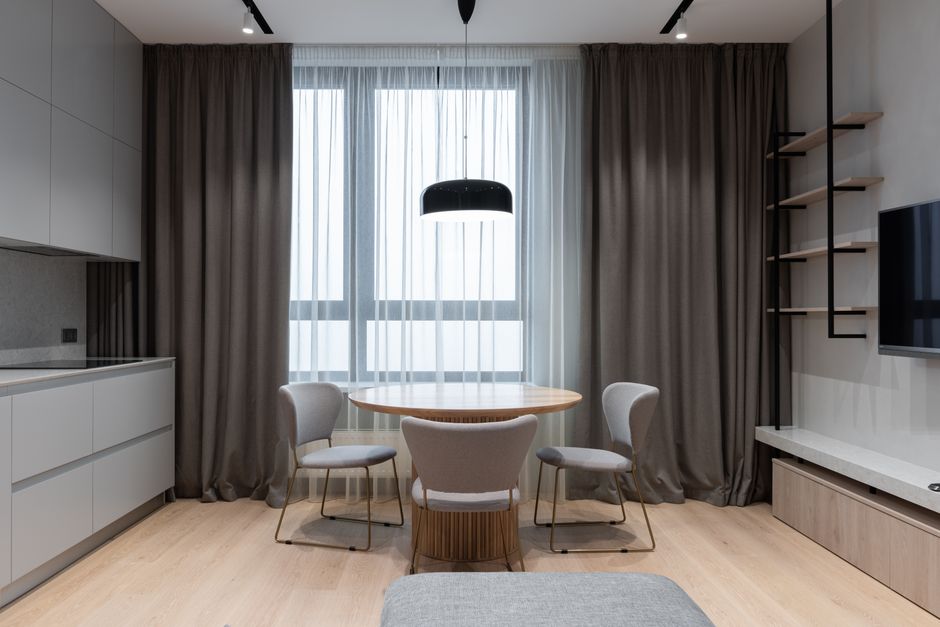
If you have an open loft, don't try to cram it with traditional furniture. Use lighting to create "zones." A pendant light over the dining area, a floor lamp near the reading nook, and a desk lamp for the workspace all serve to define an open floor plan without the need for walls. Buyers love this because it respects the architecture while providing the functionality they demand.

Strategic Presentation: Beyond the Fluff
I cannot stand listing descriptions that go on and on about "pristine craftsmanship" without backing it up with evidence. Buyers are smart—they can see through the fluff. Instead of telling them how great the home is, show them:
Final Thoughts: Don't Be Generic
The biggest mistake sellers make is trying to appeal to "everyone." If you try to appeal to everyone, you appeal to no one. Be specific. If you’re in a neighborhood with a high concentration of young professionals, updated lighting fixtures that lean modern/industrial are a non-negotiable. If you’re in a classic, family-oriented neighborhood, your paint choices should reflect a warmer, more inviting palette.
When you focus on these subtle cosmetic updates, you aren't just "putting lipstick on a pig"—you are curating a narrative. You are creating a digital first impression that stops the scroll, invites the click, and justifies the price. And for the love of all things holy, please, *please* fix your hallway lighting before you call the photographer. Trust me, I’m watching.